New York DMV Practice Test With Answers Explained

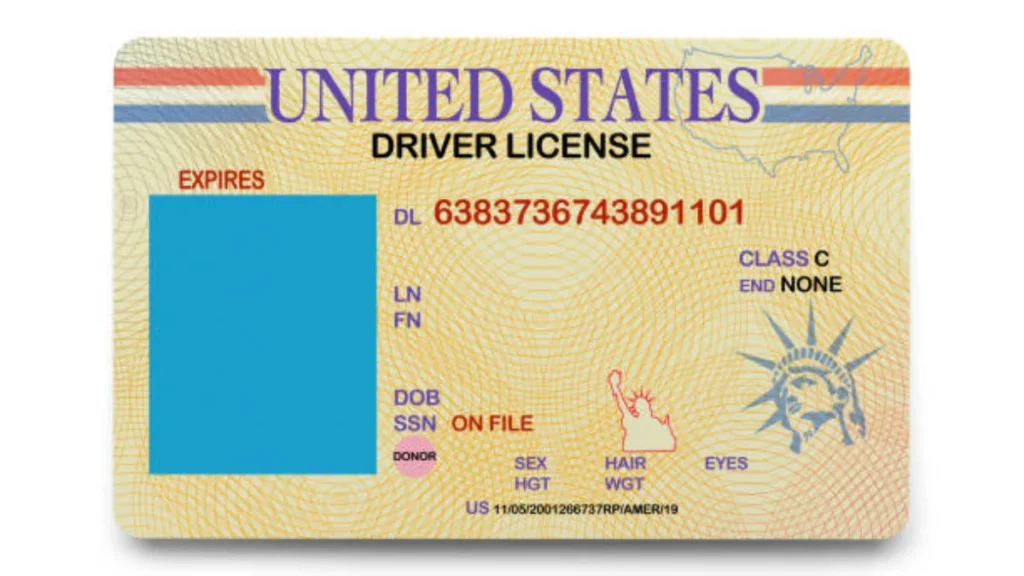
Preparing for the New York DMV practice test is an essential step for anyone planning to get a learner permit or driver license in the state. The written knowledge exam evaluates how well you understand traffic laws, road signs, safe driving practices, and specific regulations that apply in New York.
Unlike simple memorization tests, the DMV exam focuses on real-life driving decisions. This means you need to understand why the correct answer is right, not just what the answer is. That is why practice tests with explanations are one of the most effective ways to study.
This guide breaks down the most important topics, provides sample questions with explained answers, and shows you how to prepare efficiently for the New York DMV written test.
What Is the New York DMV Practice Test?
The New York DMV practice test is a study tool based on the official New York State Driver’s Manual. It mirrors the structure of the real exam, which is required for a learner permit.
The test includes multiple-choice questions covering:
- Traffic laws
- Road signs and signals
- Safe driving techniques
- Alcohol and drug regulations
- Sharing the road with other users
The goal is to ensure new drivers can make safe and legal decisions on New York roads, especially in high-traffic environments like New York City and surrounding areas.
Why Practice Tests With Explanations Matter
Many learners focus only on getting the correct answer, but that approach often leads to failure on the real exam. Questions can be reworded in different ways, and memorization alone is not enough.
Practice tests with explanations help you:
- Understand the logic behind each answer
- Learn how DMV questions are structured
- Identify weak knowledge areas
- Improve long-term memory retention
- Reduce exam anxiety
When you understand why an answer is correct, you are more likely to succeed even when the question is unfamiliar.
Key Topics on the New York DMV Test
To pass the exam, you must understand several core subject areas that appear frequently in the test.
Road Signs and Pavement Markings
Road signs are one of the most tested sections. You must recognize signs instantly and understand their meaning.
Common categories include:
- Regulatory signs such as stop, yield, and speed limit signs
- Warning signs for curves, school zones, and intersections
- Guide signs for highways and exits
- Construction and temporary traffic control signs
Pavement markings are also important. For example, solid lines generally mean no passing, while broken lines allow passing when safe.
Traffic Laws in New York
New York traffic laws are strict, especially in urban areas. The test often focuses on legal responsibilities of drivers.
Important topics include:
- Right-of-way rules at intersections
- Speed limits in different zones
- Seat belt requirements for all passengers
- Cell phone and distracted driving laws
- School bus stopping rules
Understanding these laws is critical not only for the test but also for everyday driving safety.
Speed Limits and Safe Driving
Speed-related questions are common in the exam. You must know both posted limits and safe driving adjustments.
Typical rules include:
- 25 mph in most residential areas unless posted otherwise
- Reduced speeds in school zones
- Highway speed limits depending on location
- Slowing down in rain, snow, or fog
Safe driving also includes maintaining proper following distance and adjusting speed based on traffic conditions.
Alcohol and Drug Regulations
New York has strict laws regarding impaired driving. These questions are frequently included in the DMV test.
You may be tested on:
- Legal BAC limits (0.08% for drivers 21 and older)
- Zero tolerance laws for underage drivers
- Penalties for DUI or DWI
- Implied consent laws
These rules are designed to reduce serious accidents caused by impaired driving.
Sharing the Road
A large part of the test focuses on how drivers interact with others on the road.
You should understand how to safely share the road with:
- Pedestrians
- Cyclists
- Motorcyclists
- Large trucks and buses
- Emergency vehicles
New York driving conditions require constant awareness due to heavy traffic and frequent pedestrian crossings.
Sample New York DMV Practice Questions With Explained Answers
Below are realistic sample questions with explanations to help you understand how the real exam works.
1. What does a steady red traffic light mean?
Answer: You must stop completely and wait until the light turns green.
Explanation: A red light is a universal signal requiring drivers to stop. In New York, turning right on red is allowed only where permitted and after a full stop.
2. What should you do when you see a school bus with flashing red lights?
Answer: Stop in both directions until the lights stop flashing.
Explanation: New York law requires all drivers to stop for school buses with flashing red lights to protect children entering or exiting the bus.
3. What does a flashing yellow traffic light mean?
Answer: Proceed with caution.
Explanation: A flashing yellow light warns drivers to slow down and be alert, but it does not require a complete stop.
4. When must you use headlights in New York?
Answer: From sunset to sunrise and whenever visibility is reduced.
Explanation: Headlights improve visibility and help other drivers see your vehicle in low-light conditions.
5. What is the safe following distance under normal conditions?
Answer: At least three seconds.
Explanation: The three-second rule helps ensure enough time to react to sudden stops or hazards ahead.
Best Study Methods for the New York DMV Test
Use the Official Driver Manual
The New York State Driver’s Manual is the most accurate source of information. Every exam question is based on it.
Reading it carefully ensures you understand both laws and safe driving practices.
Practice With Explanations
Do not only take quizzes. Use practice tests that explain each answer so you understand the reasoning behind it.
Focus on Weak Areas
Track your mistakes and revisit those topics. Many applicants struggle with road signs or right-of-way rules.
Improving weak areas leads to faster progress than repeating what you already know.
Study in Short Sessions
Consistent short study sessions improve retention better than long, stressful study periods.
Common Mistakes to Avoid
Many test failures happen due to simple mistakes:
- Memorizing without understanding
- Ignoring road sign differences
- Rushing through questions
- Using outdated study materials
- Not reviewing incorrect answers
Avoiding these mistakes significantly improves your chances of passing.
Final Thoughts
The New York DMV practice test is designed to prepare drivers for real-world driving conditions in one of the busiest traffic environments in the United States.
Success depends on understanding traffic laws, practicing consistently, and learning the reasoning behind each rule. Practice tests with explained answers are especially powerful because they build both knowledge and confidence.
With proper preparation, passing on the first attempt is absolutely achievable, and the knowledge gained will help you become a safer and more responsible driver in any driving situation.
Functional Always active
Preferences
Statistics
Marketing
Leave a Reply