No Passing Zone Signs in the Wild: What They Mean and Why Drivers Should Pay Attention

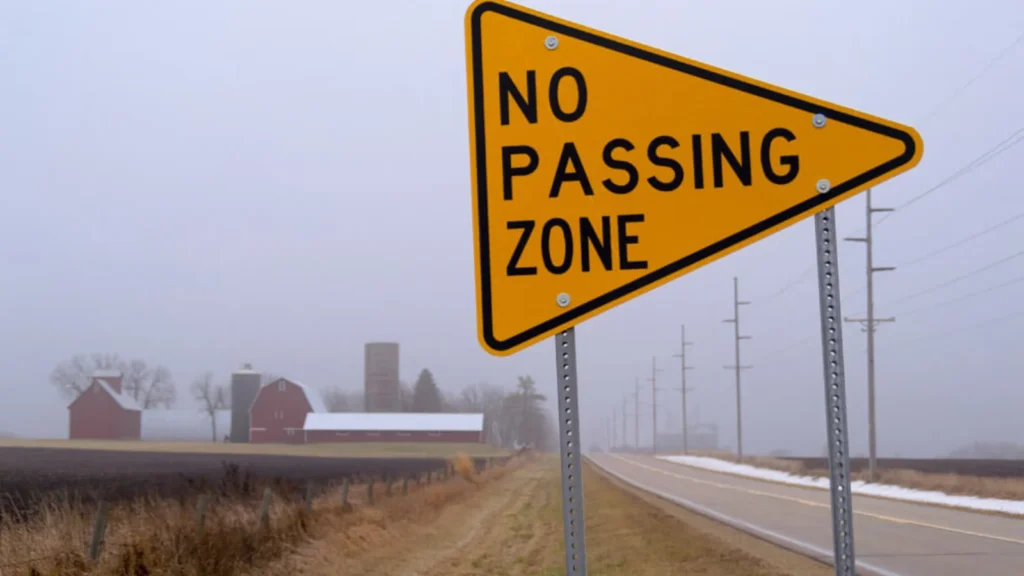
Have you ever been driving on a rural highway and noticed a yellow sign warning that you're entering a No Passing Zone? These traffic signs are more than just roadside markers—they play a critical role in preventing dangerous overtaking maneuvers and reducing head-on collisions.
What Is a No Passing Zone Sign?
A No Passing Zone sign indicates a section of road where drivers are not allowed to pass slower vehicles by crossing into the opposite lane. These zones are typically established in areas where visibility is limited, making passing unsafe.
You’ll commonly find them:
- Near sharp curves
- On hills and steep inclines
- Around intersections
- In areas with restricted sight distance
- Along winding rural roads
Why Are No Passing Zones Necessary?
Passing another vehicle requires enough visibility to see oncoming traffic and safely return to your lane. In certain road conditions, that visibility simply isn't available.
Transportation authorities place No Passing Zone signs to:
✅ Reduce head-on crashes
✅ Improve traffic safety
✅ Alert drivers to limited visibility ahead
✅ Protect motorists in high-risk road segments
Studies consistently show that improper passing is a significant contributor to serious roadway accidents, especially on two-lane highways.
How to Recognize a No Passing Zone
In the United States, a No Passing Zone is often marked by:
- A yellow pennant-shaped sign placed on the left side of the road
- Solid yellow centerlines
- Additional pavement markings indicating restricted passing
The combination of signs and road markings helps ensure drivers understand the restriction before entering the zone.
What Happens If You Ignore a No Passing Zone Sign?
Ignoring a No Passing Zone can lead to:
- Traffic citations and fines
- Points on your driving record
- Increased insurance premiums
- Serious or fatal accidents
Even if the road appears clear, the restriction is usually based on engineering studies that identify hidden hazards drivers may not immediately notice.
Real-World Examples: No Passing Zone Signs in the Wild
Drivers often encounter these signs while traveling through:
- Mountain roads
- Rural highways
- National parks
- Scenic byways
- Construction zones
Seeing a No Passing Zone sign "in the wild" serves as an important reminder that road design and safety regulations are intended to protect everyone sharing the roadway.
Safe Driving Tips
When approaching a No Passing Zone:
- Maintain a safe following distance.
- Avoid aggressive driving.
- Be patient with slower vehicles.
- Watch for additional warning signs.
- Wait until passing is legally permitted.
Final Thoughts
No Passing Zone signs may seem simple, but they represent one of the most important safety measures on two-lane roads. Understanding their purpose can help drivers make better decisions, avoid violations, and reduce the risk of serious accidents. The next time you spot one of these signs in the wild, remember that it's there for a reason—and following it could save lives.

Functional Always active
Preferences
Statistics
Marketing
Leave a Reply