Rain & Weather Driving Test Questions

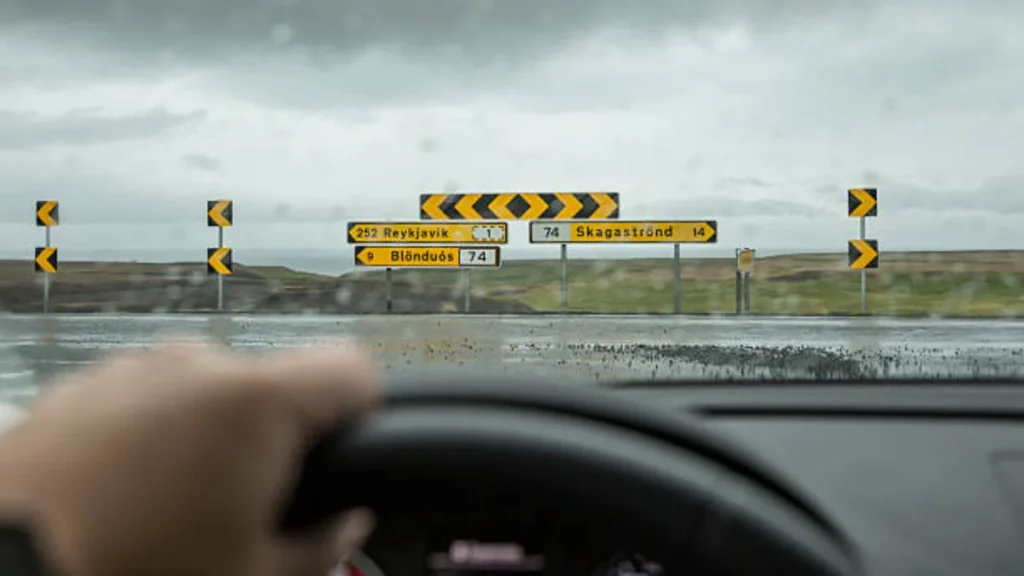
Driving in rain and bad weather is one of the most important safety topics covered in DMV written tests. These questions are designed to evaluate how well you understand reduced visibility, slippery roads, and safe driving techniques under difficult conditions.
Many new drivers underestimate weather-related questions, but they are commonly included because weather is a major cause of road accidents. Understanding how to respond correctly can help you pass the test and become a safer driver in real life.
This guide covers the most common rain and weather driving test questions, explains the correct answers, and provides practical safety tips for the DMV exam in 2026.
Why Weather Questions Appear on the DMV Test
Weather conditions affect:
- Road traction
- Visibility
- Braking distance
- Vehicle control
The DMV includes these questions to ensure drivers know how to react safely in dangerous conditions. Rain, fog, snow, and ice can change driving behavior instantly, so proper knowledge is essential.
Key Rules for Driving in Rain
Rain is one of the most frequently tested weather conditions on DMV exams.
You should always remember:
- Roads become slippery when wet
- Stopping distance increases
- Visibility is reduced
- Hydroplaning risk increases
Safe driving in rain requires slower speeds and greater caution.
Rain Driving Test Questions With Answers
Below are common DMV-style questions about driving in rain and wet conditions.
1. What should you do when driving in heavy rain?
Answer: Slow down and increase following distance.
Explanation: Wet roads reduce tire traction, so slowing down helps maintain control and prevents skidding.
2. What is hydroplaning?
Answer: When tires lose contact with the road due to water buildup.
Explanation: Hydroplaning occurs when a layer of water separates tires from the road surface, causing loss of control.
3. What should you do if your car starts to hydroplane?
Answer: Ease off the accelerator and steer straight.
Explanation: Sudden braking or sharp turns can worsen loss of control.
4. When should you use headlights in rain?
Answer: When visibility is reduced or windshield wipers are in use.
Explanation: Headlights improve visibility for both you and other drivers.
5. Why is following distance important in wet conditions?
Answer: Because stopping distance increases on wet roads.
Explanation: Tires need more distance to stop safely on slippery surfaces.
Fog Driving Test Questions
Fog reduces visibility and is another common DMV test topic.
6. What should you do when driving in fog?
Answer: Use low-beam headlights and reduce speed.
Explanation: High beams reflect off fog and reduce visibility even more.
7. Why should you avoid using high beams in fog?
Answer: Because they reflect light back and reduce visibility.
Explanation: Low beams provide clearer vision in foggy conditions.
Snow and Ice Driving Questions
In colder regions, snow and ice questions are also common.
8. What is the safest action when roads are icy?
Answer: Drive slowly and avoid sudden movements.
Explanation: Ice reduces traction significantly, making control more difficult.
9. What should you do before driving on snowy roads?
Answer: Clear snow from windows, mirrors, and lights.
Explanation: Full visibility is required for safe driving.
Common Mistakes in Weather Questions
Many students lose points due to simple mistakes such as:
- Driving too fast for conditions
- Confusing high beams and low beams
- Ignoring increased stopping distance
- Forgetting hydroplaning rules
- Not adjusting following distance
Avoiding these errors can significantly improve your score.
Key Safety Rules for All Weather Conditions
No matter the condition, always follow these principles:
- Slow down in poor visibility
- Increase following distance
- Avoid sudden braking or steering
- Use headlights when necessary
- Stay alert and focused
These rules are frequently tested on DMV exams.
How to Study Weather Driving Questions
To prepare effectively:
- Study real DMV practice tests
- Review weather-related sections in the driver handbook
- Learn definitions like hydroplaning and stopping distance
- Practice scenario-based questions
- Focus on safety reasoning, not memorization
Final Thoughts
Rain and weather driving test questions are designed to test your ability to make safe decisions under difficult conditions. While they may seem simple, they require a clear understanding of how weather affects driving behavior.
By learning key safety rules, practicing real exam questions, and understanding how conditions like rain, fog, and ice impact the road, you can confidently answer these questions and improve your chances of passing the DMV written test.
More importantly, this knowledge will help you become a safer driver in real-world conditions, where weather can change quickly and unexpectedly.

Functional Always active
Preferences
Statistics
Marketing
Leave a Reply