DMV Written Test Practice Guide

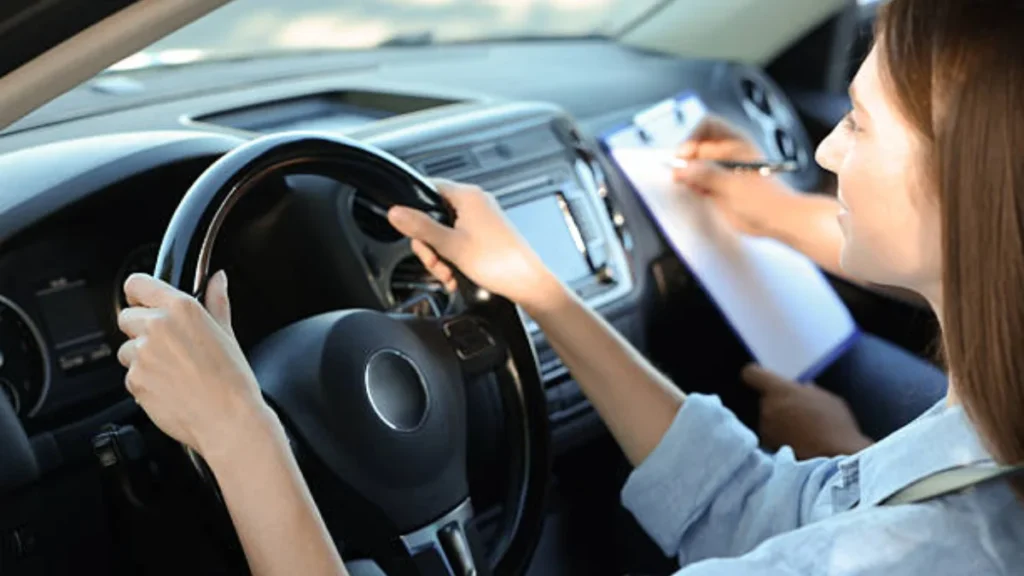
Preparing for the DMV written test is an essential step for anyone who wants to obtain a learner permit or driver’s license in the United States. The exam evaluates your understanding of traffic laws, road signs, safe driving practices, and state-specific regulations.
Many applicants fail not because the test is extremely difficult, but because they do not prepare in a structured way. The DMV written test is based on predictable rules and patterns, which means that with the right study strategy, passing becomes much easier.
This DMV written test practice guide explains what to expect, the most important topics, sample questions, and proven study methods to help you succeed on your first attempt.
What Is the DMV Written Test?
The DMV written test is a multiple-choice exam required to obtain a learner permit or driver’s license. It is based on the official driver handbook of each state and is designed to ensure that new drivers understand the rules of the road.
The test evaluates your knowledge of:
- Traffic laws and regulations
- Road signs and signals
- Safe driving techniques
- Alcohol and drug laws
- Defensive driving principles
The goal is not memorization but understanding how to apply rules in real driving situations.
Why DMV Written Test Practice Is Important
Practicing before the exam is one of the most effective ways to increase your chances of passing. The test is structured around common driving scenarios, and repeated practice helps you recognize patterns.
DMV written test practice helps you:
- Understand question formats
- Learn traffic rules more effectively
- Improve memory retention
- Identify weak knowledge areas
- Reduce test anxiety
Consistent practice transforms unfamiliar material into predictable patterns, making the real exam much easier.
Key Topics Covered in the DMV Written Test
Although each state has its own version of the test, most exams include similar core topics.
Road Signs and Traffic Signals
Road signs are one of the most important and frequently tested sections.
You must understand:
- Stop and yield signs
- Warning signs for hazards and intersections
- Speed limit signs
- Construction zone signs
- Railroad crossing signs
Traffic signal questions may include flashing red and yellow lights, pedestrian signals, and lane control signals.
Traffic Laws and Right-of-Way Rules
This section tests your ability to understand legal driving behavior and decision-making at intersections.
Common topics include:
- Four-way stop rules
- Right-of-way at intersections
- Pedestrian priority
- Emergency vehicle rules
- School bus stopping laws
Right-of-way questions are especially important because they directly relate to accident prevention.
Speed Limits and Safe Driving
Speed-related questions are common in every DMV written test.
You should know:
- Residential speed limits
- Highway speed limits
- School zone reductions
- When to slow down due to weather
- Safe following distance rules
Safe driving is not just about obeying speed limits but adjusting speed based on road conditions.
Alcohol, Drugs, and Driving Laws
Driving under the influence is a major focus of DMV exams due to safety concerns.
You may be tested on:
- Legal blood alcohol concentration (BAC) limits
- DUI penalties
- Zero tolerance laws for young drivers
- Implied consent rules
These laws are designed to reduce impaired driving accidents.
Defensive Driving Skills
Defensive driving questions evaluate your ability to prevent accidents before they happen.
Key concepts include:
- Maintaining safe following distance
- Checking blind spots
- Proper lane changes
- Handling aggressive drivers
- Driving in poor weather conditions
The goal is to demonstrate awareness and anticipation of hazards.
Sample DMV Written Test Practice Questions
Below are realistic practice questions commonly seen on DMV exams.
1. What should you do at a flashing red traffic light?
You must come to a complete stop, then proceed only when it is safe.
2. What does a flashing yellow light mean?
It means proceed with caution and be prepared to yield if necessary.
3. What is the recommended safe following distance?
At least three seconds between your vehicle and the one ahead.
4. When must headlights be used?
From sunset to sunrise or whenever visibility is reduced due to weather conditions.
5. What should you do when an emergency vehicle approaches with flashing lights?
Pull over to the right side of the road and stop until it passes.
Effective DMV Written Test Study Methods
Study the Official Driver Handbook
The official driver handbook is the primary source of all DMV test questions. Every question is based on its content.
Reading it carefully ensures you understand both laws and safe driving principles.
Use Regular Practice Tests
Practice tests help you become familiar with question types and improve speed and accuracy.
They also help identify weak areas that need more attention.
Focus on Understanding, Not Memorization
Understanding why rules exist helps you apply them correctly in different situations.
For example, speed limits are designed to reduce stopping distance and improve reaction time.
Study in Short, Consistent Sessions
Short study sessions spread over several days are more effective than long cramming sessions.
This improves long-term memory retention.
Review Mistakes Carefully
Every incorrect answer is a learning opportunity. Reviewing mistakes helps reinforce knowledge and avoid repeating errors.
Common Mistakes to Avoid
Many applicants fail due to simple and avoidable mistakes:
- Rushing through questions
- Ignoring road sign details
- Memorizing without understanding
- Using outdated study materials
- Skipping handbook review
Avoiding these mistakes significantly improves your chances of passing.
Final Tips for Passing on the First Attempt
To improve your chances of success:
- Read each question carefully
- Eliminate incorrect answers first
- Stay calm during the exam
- Practice consistently before test day
- Focus on high-frequency topics
Preparation is the most important factor in passing the DMV written test.
Final Thoughts
The DMV written test is designed to ensure that new drivers understand essential traffic laws and safe driving practices. While the exam may seem challenging, it follows clear and predictable patterns.
With proper DMV written test practice, consistent study, and a strong understanding of road rules, passing on your first attempt is completely achievable.
More importantly, the knowledge you gain during preparation will help you become a safer and more responsible driver throughout your life.

Functional Always active
Preferences
Statistics
Marketing
Leave a Reply