Ultimate Road Signs Study Guide

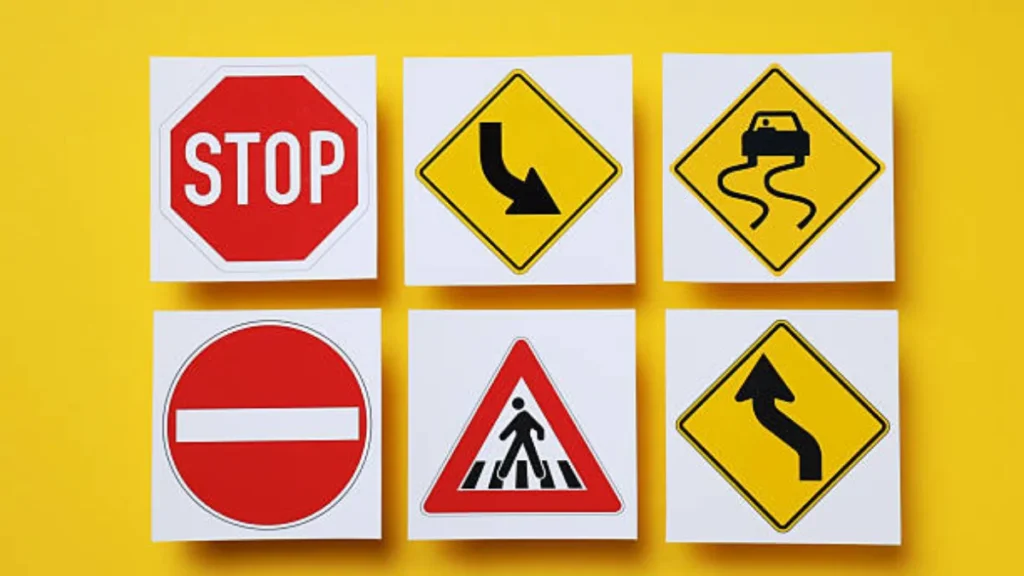
Understanding road signs is one of the most important parts of passing the DMV written test. Road signs are designed to communicate rules, warnings, and directions quickly, helping drivers make safe decisions without confusion.
Many applicants lose points on the DMV test simply because they do not fully understand sign meanings or confuse similar shapes and colors. This ultimate road signs study guide will help you learn how road signs are organized, what they mean, and how to remember them effectively for your exam.
Why Road Signs Are So Important
Road signs are essential for safe driving because they provide instant information. Unlike written rules, signs must be understood within seconds while driving.
On the DMV test, road sign questions are common because they test:
- Quick decision-making
- Visual recognition skills
- Understanding of traffic laws
- Safety awareness
Mastering road signs not only helps you pass the test but also improves real-world driving safety.
How Road Signs Are Organized
Most road signs are grouped into categories based on their purpose and design. Understanding these categories makes learning much easier.
The main categories include:
- Regulatory signs
- Warning signs
- Guide signs
- Construction and maintenance signs
- Informational signs
Each category has a different shape and color pattern that helps drivers recognize them instantly.
Regulatory Signs
Regulatory signs tell you what you must or must not do while driving. These are some of the most tested signs on the DMV exam.
Common examples include:
- Stop signs
- Yield signs
- Speed limit signs
- Do not enter signs
- No parking signs
These signs are often red, white, or black and usually indicate legal requirements. Ignoring them can result in violations or accidents.
Warning Signs
Warning signs alert drivers to potential hazards ahead. They are designed to help you slow down or prepare for changes in the road.
Common warning signs include:
- Curves ahead
- Pedestrian crossings
- School zones
- Slippery roads
- Animal crossings
- Lane merges
These signs are usually yellow and diamond-shaped, making them easy to identify quickly.
Guide Signs
Guide signs provide directional and location information. They help drivers navigate roads, highways, and cities.
Examples include:
- Highway exit signs
- Street name signs
- Distance markers
- Destination signs
These signs are often green or blue and are especially important for long-distance driving and highway travel.
Construction and Work Zone Signs
Construction signs warn drivers about road work areas and temporary changes in traffic patterns.
Common signs include:
- Road work ahead
- Lane closures
- Detours
- Flagger ahead
These signs are usually orange and require drivers to slow down and stay alert. They are heavily tested because construction zones are high-risk areas.
Informational Signs
Informational signs provide general guidance and services for drivers.
Examples include:
- Rest areas
- Hospital signs
- Gas stations
- Parking information
These signs help drivers find services and improve travel convenience.
Color and Shape Meanings
One of the easiest ways to understand road signs is by learning color and shape meanings.
Here are the most important patterns:
- Red means stop or prohibition
- Yellow means warning
- Green means direction or guidance
- Blue means services and information
- Orange means construction zones
Shapes also matter:
- Octagon means stop
- Triangle means yield
- Diamond means warning
- Rectangle means information
Recognizing these patterns helps you answer DMV questions faster.
Sample Road Sign Test Questions
Here are examples of common DMV road sign questions.
1. What does a red octagon sign mean?
It means you must come to a complete stop before proceeding.
2. What does a yellow diamond-shaped sign indicate?
It indicates a warning about possible road hazards ahead.
3. What does a green rectangular sign represent?
It provides directional or navigational information.
4. What does an orange sign usually mean?
It indicates road construction or maintenance ahead.
5. What does a triangular sign mean?
It means yield to other traffic and proceed with caution.
Tips to Memorize Road Signs Easily
Learning road signs can be simple if you use the right techniques.
Study by Category
Instead of memorizing randomly, group signs by category such as warning, regulatory, and guide signs.
Use Visual Learning
Road signs are easier to remember when studied visually. Focus on shape, color, and symbols instead of just text descriptions.
Practice Regularly
Take road sign quizzes frequently to reinforce memory and improve recognition speed.
Learn Patterns, Not Just Individual Signs
Understanding patterns like “red means stop” or “yellow means warning” helps you recognize unfamiliar signs more easily.
Common Mistakes to Avoid
Many learners struggle with road signs because of simple mistakes such as:
- Confusing similar shapes
- Ignoring color meanings
- Memorizing without understanding
- Not practicing enough
- Mixing up warning and regulatory signs
Avoiding these mistakes will significantly improve your test performance.
Final Thoughts
Road signs are one of the most important topics on the DMV written test. They are also one of the easiest areas to master with the right approach.
By understanding categories, learning color and shape meanings, and practicing regularly, you can quickly improve your recognition skills.
Mastering this ultimate road signs study guide not only helps you pass the DMV test but also makes you a safer and more confident driver on the road.
Functional Always active
Preferences
Statistics
Marketing
Leave a Reply