7-Day DMV Study Plan for Beginners

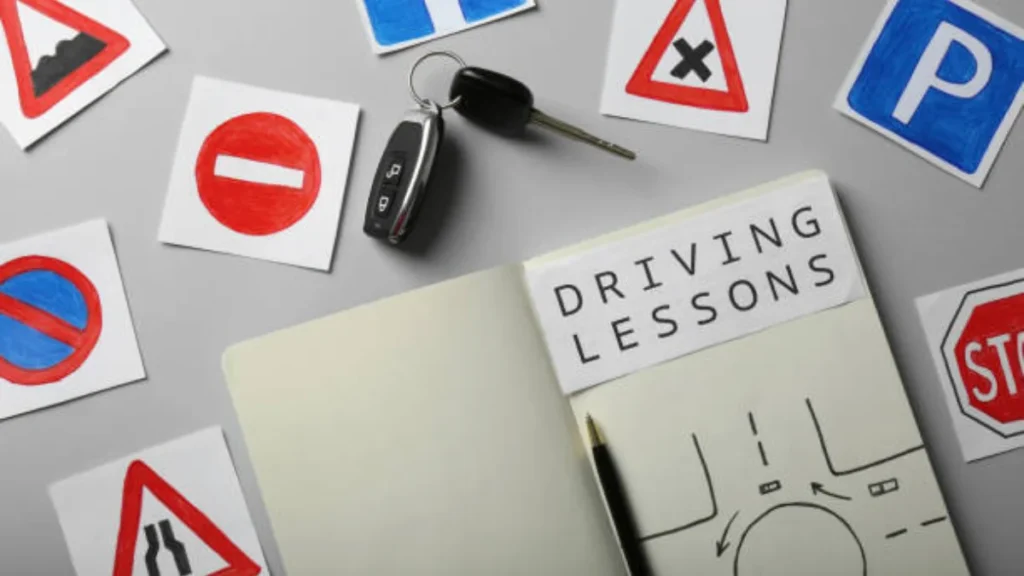
Preparing for the DMV written test can feel overwhelming for beginners, especially when there is a large amount of information to learn in a short time. The key to success is not studying everything at once, but following a structured plan that breaks the material into manageable daily steps.
This 7-day DMV study plan for beginners is designed to help you build knowledge gradually, improve retention, and prepare efficiently for the exam. By following this schedule consistently, you can significantly increase your chances of passing on your first attempt.
How This 7-Day DMV Study Plan Works
This plan is based on three core principles:
- Focus on high-priority topics first
- Combine reading with practice questions
- Review mistakes daily
Each day focuses on specific areas of the DMV exam so you can build knowledge step by step instead of cramming.
Day 1: Learn the Basics of Driving Rules
Start by understanding the foundation of driving laws.
Study:
- Purpose of traffic laws
- Basic road safety rules
- Driver responsibilities
- Introduction to right-of-way
Your goal on Day 1 is not memorization but understanding how traffic rules keep roads safe.
Day 2: Road Signs and Traffic Signals
Road signs are one of the most tested topics on the DMV exam.
Focus on:
- Stop, yield, and speed limit signs
- Warning signs (curves, intersections, pedestrians)
- Construction and school zone signs
- Traffic lights and pedestrian signals
Practice recognizing signs visually, not just reading descriptions.
Day 3: Right-of-Way Rules and Intersections
Right-of-way questions are very common and often tricky.
Study:
- Four-way stop rules
- Yielding at intersections
- Pedestrian priority
- Emergency vehicle rules
- Uncontrolled intersections
Think in terms of safety: when in doubt, yield.
Day 4: Speed Limits and Safe Driving
Speed-related questions are frequent in the DMV test.
Focus on:
- Residential and highway speed limits
- School zone speed reductions
- Safe following distance (three-second rule)
- Adjusting speed for weather conditions
Understand that safe driving is about control, not just speed limits.
Day 5: Alcohol, Drugs, and Legal Rules
This section is critical because it deals with safety and legal responsibility.
Study:
- Blood alcohol concentration (BAC) limits
- DUI consequences
- Zero tolerance laws for young drivers
- Implied consent rules
These topics are often directly tested on the exam.
Day 6: Practice Tests and Weak Areas
Now shift from learning to testing your knowledge.
Do:
- Take full DMV practice tests
- Review incorrect answers carefully
- Focus on weak topics
- Repeat questions you missed
This step helps reinforce memory and identify gaps in understanding.
Day 7: Full Review and Exam Preparation
On the final day, focus on review instead of learning new material.
Do:
- Review road signs again
- Revisit key traffic laws
- Take one final practice test
- Rest and avoid cramming
A calm and clear mind improves test performance significantly.
Best Study Tips During the 7-Day Plan
To maximize results, follow these tips:
- Study 1–2 hours per day consistently
- Mix reading with practice questions
- Focus on understanding, not memorization
- Review mistakes daily
- Use the official driver handbook as your main source
Consistency is more important than long study sessions.
Common Mistakes to Avoid
Many beginners fail because of avoidable errors such as:
- Skipping road sign practice
- Studying only practice questions
- Cramming everything in one day
- Ignoring the driver handbook
- Not reviewing mistakes
Avoiding these mistakes greatly improves your chances of passing.
Final Thoughts
This 7-day DMV study plan for beginners is designed to make the learning process simple, structured, and effective. By breaking the material into daily steps and focusing on key topics like road signs, right-of-way rules, and safe driving, you can prepare efficiently without stress.
With consistent effort and smart study habits, passing the DMV written test on your first attempt becomes a realistic and achievable goal.

Functional Always active
Preferences
Statistics
Marketing
Leave a Reply