How Hard Is the DMV Test in 2026?

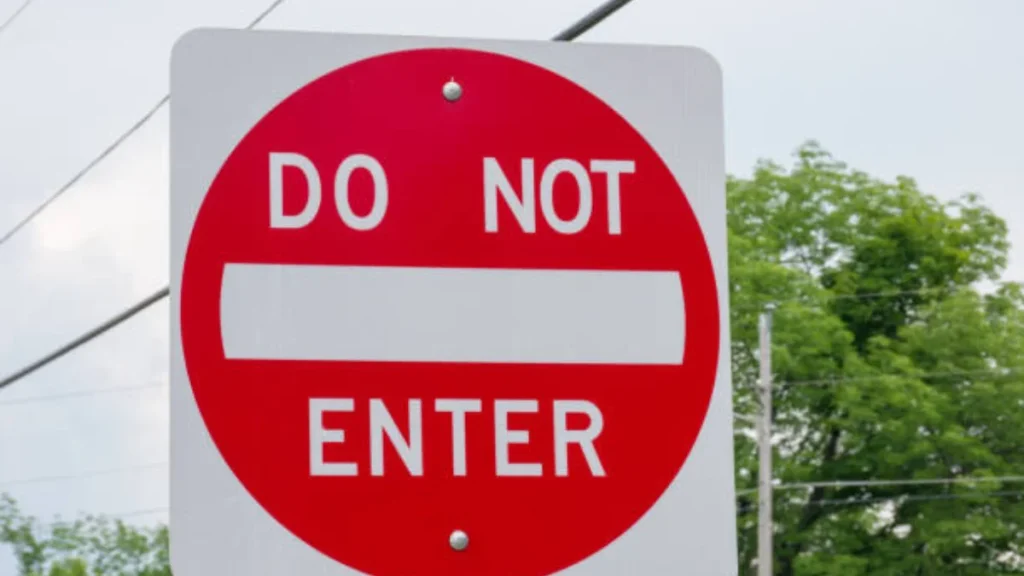
The DMV written test is one of the first steps toward getting a driver’s license in the United States. Many beginners ask how hard the DMV test really is in 2026 and whether it is difficult to pass on the first try.
The truth is that the DMV test is not designed to be overly difficult, but it does require proper preparation. Most questions are based on common traffic laws, road signs, and safe driving principles. The challenge comes from understanding the rules correctly rather than memorizing random answers.
This guide explains the real difficulty level of the DMV test in 2026, what makes it challenging for some applicants, and how you can prepare effectively to pass with confidence.
Is the DMV Test Actually Hard?
The difficulty of the DMV test depends mostly on how well you prepare.
For most applicants:
- It is considered easy to moderate with proper study
- It becomes difficult without preparation
- It is very manageable when using the official handbook and practice tests
The test is designed to ensure that new drivers understand basic road safety, not to trick them with complex questions.
Why Some People Find the DMV Test Hard
Although the exam is based on basic driving knowledge, many people still struggle. This usually happens due to poor study habits or lack of preparation.
Common reasons include:
- Not reading the official driver handbook
- Relying only on practice questions
- Ignoring road signs and meanings
- Misunderstanding right-of-way rules
- Studying at the last minute
The test feels hard when the material is unfamiliar, not because the content is advanced.
What Makes the DMV Test Easier Than Expected
For well-prepared applicants, the DMV test is straightforward because:
- Questions are multiple choice
- Topics are predictable
- Answers come directly from the driver handbook
- No advanced math or technical knowledge is required
Most questions focus on real-life driving situations that you will encounter on the road.
Main Topics That Affect Difficulty
Understanding what is tested helps reduce the difficulty significantly.
Road Signs and Signals
This is one of the most important sections.
You must know:
- Stop and yield signs
- Warning signs for hazards
- Speed limit signs
- Construction zone signs
- Traffic light meanings
Difficulty increases if you try to memorize instead of learning visual patterns.
Right-of-Way Rules
Many learners find this section tricky.
You need to understand:
- Four-way stop rules
- Intersection priority
- Pedestrian right-of-way
- Emergency vehicle rules
These questions test decision-making, not memorization.
Speed Limits and Safe Driving
Speed-related questions are usually simple but easy to misunderstand.
Key points include:
- Residential and highway speed limits
- School zone speed reductions
- Adjusting speed for weather conditions
- Safe following distance
The challenge comes from reading questions carefully.
Alcohol and Drug Laws
This section is straightforward but important.
You may be tested on:
- Legal BAC limits
- DUI penalties
- Zero tolerance laws
- Implied consent rules
These questions are often memorized but still commonly missed.
What Is the Passing Score?
Most states require a passing score of around:
- 70% to 80% correct answers
This means you do not need a perfect score to pass. You only need a solid understanding of the core topics.
How to Make the DMV Test Easier
You can significantly reduce difficulty by using the right study approach.
Study the Driver Handbook
The official handbook is the most important resource. Every question comes from it.
Focus on:
- Road signs
- Traffic laws
- Safety rules
Take Practice Tests Regularly
Practice tests help you understand question formats and improve confidence.
They also help you identify weak areas before the real exam.
Focus on Understanding, Not Memorizing
Understanding rules makes it easier to answer unfamiliar questions.
For example:
- Why speed limits exist
- Why right-of-way rules are needed
- How signs improve safety
Study in Short Sessions
Short, consistent study sessions improve memory retention better than cramming.
Is the DMV Test Getting Harder in 2026?
In 2026, the DMV test is not significantly harder, but it continues to focus more on:
- Real-world driving scenarios
- Safety awareness
- Situational judgment
This means understanding concepts is more important than memorization.
Final Thoughts
The DMV test in 2026 is not extremely hard, but it does require preparation and focus. The difficulty level depends entirely on how well you study.
With proper use of the driver handbook, regular practice tests, and a clear understanding of road rules, most applicants can pass on their first attempt.
In reality, the DMV test is less about difficulty and more about preparation.

Functional Always active
Preferences
Statistics
Marketing
Leave a Reply