Best DMV Study Methods That Actually Work

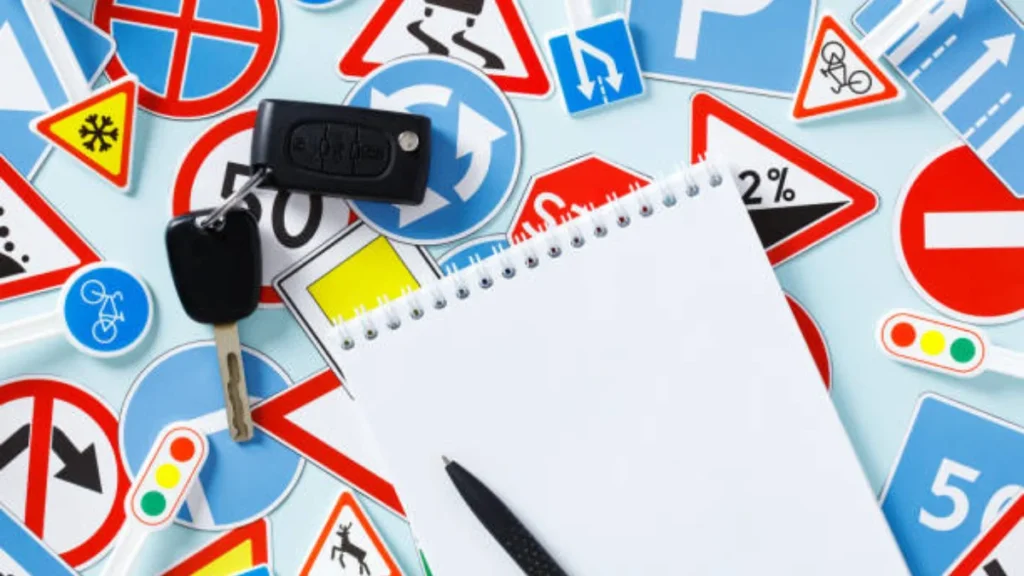
Preparing for the DMV written test can feel overwhelming if you don’t have a clear study plan. Many applicants rely on random practice questions or last-minute cramming, which often leads to failure. The most successful test takers use structured and consistent study methods based on understanding, repetition, and real exam patterns.
This guide explains the best DMV study methods that actually work in 2026, helping you prepare efficiently and pass your written test with confidence.
Why Most DMV Study Approaches Fail
Before learning effective methods, it is important to understand why many people struggle.
Common mistakes include:
- Studying only practice questions without learning rules
- Ignoring the official driver handbook
- Cramming everything the night before the test
- Not reviewing mistakes
- Using outdated or unreliable materials
These approaches focus on memorization instead of understanding, which makes it difficult to answer unfamiliar questions on the real exam.
The Most Effective DMV Study Methods
The DMV written test is based on predictable rules and structured topics. The most effective study methods focus on comprehension, repetition, and real-world application.
1. Study the Official Driver Handbook First
The official driver handbook is the foundation of all DMV exams. Every question on the test is based on this document.
Instead of skipping through it, study it carefully section by section.
Focus on:
- Road signs and meanings
- Traffic laws and rules
- Speed limits and safety rules
- Right-of-way situations
- Driving under different conditions
Understanding the handbook gives you the strongest possible base for the exam.
2. Use Active Recall Instead of Passive Reading
One of the most effective learning techniques is active recall, which means testing your memory instead of just reading.
Instead of rereading sections, try:
- Covering answers and recalling them
- Asking yourself questions after each topic
- Explaining rules in your own words
This method strengthens memory and improves long-term retention.
3. Take Practice Tests Regularly
Practice tests are essential for preparing for the DMV written exam.
They help you:
- Understand question formats
- Identify weak areas
- Build test confidence
- Improve speed and accuracy
The key is consistency. Taking multiple practice tests over time is far more effective than doing them all at once.
4. Focus on High-Probability Topics
Not all topics appear equally on the DMV test. Some areas are tested more frequently.
Focus your study on:
- Road signs and signals
- Right-of-way rules
- Speed limits
- Defensive driving techniques
- Alcohol and drug laws
Mastering these topics covers a large portion of exam questions.
5. Learn Road Signs Visually
Road signs are easier to remember when studied visually instead of just reading descriptions.
You should focus on:
- Shape and color meanings
- Warning vs regulatory signs
- Construction zone signs
- Highway and guide signs
Visual learning helps you recognize signs instantly during the exam.
6. Study in Short, Consistent Sessions
Long study sessions often lead to fatigue and poor retention.
A better method is:
- 20 to 40 minutes per session
- Daily or frequent review
- Mixing reading and practice tests
Consistency is more effective than intensity when preparing for the DMV test.
7. Review Every Mistake Carefully
Mistakes are one of the most valuable learning tools.
When you answer incorrectly, take time to understand:
- Why the answer was wrong
- What rule applies
- How to recognize it next time
This helps eliminate repeated errors and strengthens weak areas.
8. Simulate Real Exam Conditions
Practicing under real test conditions improves performance.
Try to:
- Set a timer
- Avoid distractions
- Answer without help
- Review results afterward
This reduces anxiety and prepares you for the actual testing environment.
9. Combine Reading, Practice, and Review
The most effective DMV study strategy combines three elements:
- Reading the handbook
- Taking practice tests
- Reviewing mistakes
When used together, these methods reinforce each other and improve retention.
Common Study Mistakes to Avoid
Even with good intentions, many learners make mistakes that slow down progress.
Avoid:
- Memorizing answers without understanding
- Ignoring road sign study
- Using outdated materials
- Skipping practice tests
- Studying only once before the exam
Avoiding these errors significantly improves your chances of passing.
How Long Should You Study for the DMV Test?
The ideal study time depends on your experience, but most learners benefit from:
- Several days to two weeks of preparation
- Daily short study sessions
- Regular practice testing
Cramming the night before is not recommended, as it reduces memory retention and increases stress.
Final Thoughts
The best DMV study methods are not complicated, but they require consistency and focus. Success comes from understanding the rules, practicing regularly, and reviewing mistakes carefully.
By studying the driver handbook, using active recall, and taking realistic practice tests, you can dramatically improve your chances of passing the DMV written test on your first attempt.
These methods not only help you pass the exam but also build the foundation for safe and responsible driving in real life.

Functional Always active
Preferences
Statistics
Marketing
Leave a Reply