What to Study for the DMV Permit Test

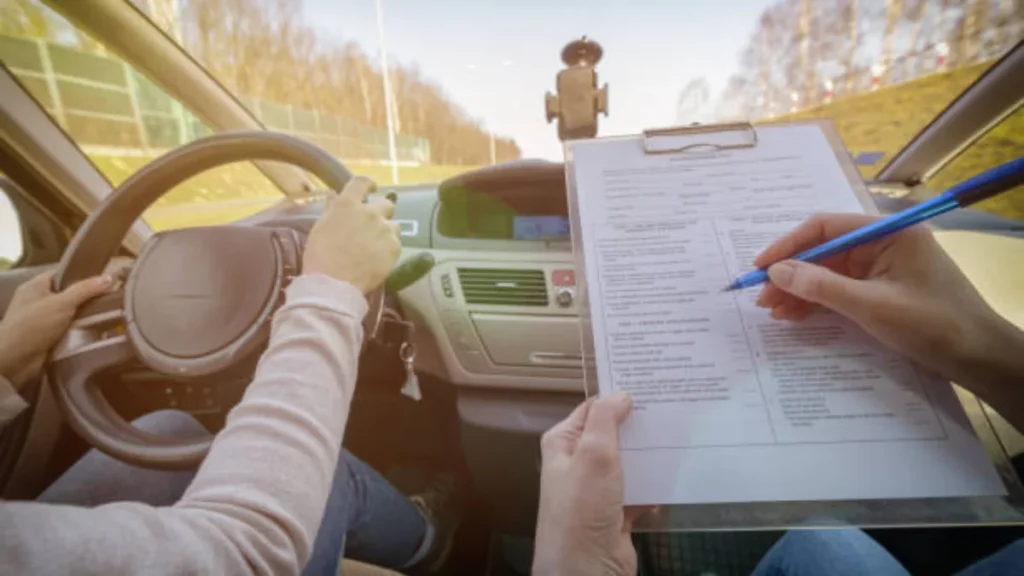
Knowing what to study for the DMV permit test is the most important step in passing on your first attempt. Many applicants fail not because the test is too difficult, but because they study the wrong material or focus only on practice questions without understanding the rules behind them.
The DMV permit test is based on your state’s official driver handbook and focuses on real driving knowledge, not memorization tricks. If you focus on the correct topics, your chances of passing increase significantly.
This guide explains exactly what you need to study, how the exam is structured, and which topics matter most in 2026.
Understanding the DMV Permit Test
The DMV permit test is a written exam required to obtain a learner’s permit. It evaluates your knowledge of traffic laws, road signs, and safe driving practices.
The test usually includes multiple-choice questions covering:
- Traffic signs and signals
- Road rules and right-of-way
- Speed limits and safe driving
- Alcohol and drug laws
- Defensive driving techniques
The purpose is to ensure that new drivers understand how to safely operate a vehicle before driving on public roads.
The Official Driver Handbook Is the Main Source
The most important thing to study for the DMV permit test is the official driver handbook for your state.
Every question on the exam comes directly or indirectly from this manual.
You should study:
- Road sign meanings
- Traffic laws and rules
- Driving safety guidelines
- Parking regulations
- Emergency driving procedures
Skipping the handbook and relying only on practice tests is one of the most common reasons for failure.
Road Signs and Traffic Signals
Road signs are one of the most heavily tested topics on the DMV permit exam.
You must understand:
- Stop and yield signs
- Warning signs for curves, pedestrians, and intersections
- Speed limit signs
- Construction zone signs
- Highway guide signs
Traffic signal questions may include:
- Flashing red and yellow lights
- Solid red, yellow, and green lights
- Pedestrian crossing signals
Being able to recognize signs instantly is essential for passing.
Right-of-Way Rules
Right-of-way questions appear frequently because they test your ability to make safe decisions in traffic.
You should study:
- Four-way stop procedures
- Yielding at intersections
- Pedestrian priority rules
- Emergency vehicle rules
- Uncontrolled intersections
A general rule is that safety always comes first. When unsure, you should yield.
Speed Limits and Safe Driving
Speed-related questions are another major part of the test.
You need to understand:
- Residential speed limits
- Highway speed limits
- School zone speed reductions
- When to slow down due to weather or traffic
- Safe following distance rules
The key idea is that safe driving is not only about speed limits but also about adjusting to road conditions.
Alcohol and Drug Laws
DMV tests include questions about impaired driving because it is a major safety concern.
You should study:
- Legal blood alcohol concentration (BAC) limits
- DUI penalties
- Zero tolerance laws for underage drivers
- Implied consent laws
These rules are strict and heavily enforced, making them important test topics.
Defensive Driving Techniques
Defensive driving is about preventing accidents before they happen.
You should study:
- Maintaining safe following distance
- Checking blind spots
- Safe lane changes
- Handling aggressive drivers
- Driving in rain, fog, or snow
Many questions test your ability to think ahead and avoid dangerous situations.
Parking and Vehicle Positioning
Parking rules are also part of the DMV permit test.
Common topics include:
- Parking near fire hydrants
- Parking on hills
- Parallel parking rules
- Lane markings and meanings
- Passing rules on two-lane roads
These questions test your understanding of safe vehicle control.
Sample Topics You Must Be Ready For
To simplify your study plan, here are the most important topics to focus on:
- Road signs and signals
- Right-of-way rules
- Speed limits
- Defensive driving
- Alcohol and drug laws
- Parking regulations
Mastering these areas covers most of the exam.
Common Mistakes Students Make
Many applicants fail because of simple study mistakes.
Avoid:
- Ignoring the driver handbook
- Memorizing without understanding
- Skipping road sign practice
- Relying only on old practice tests
- Cramming the night before
These mistakes reduce your chances of passing significantly.
How to Study Effectively
To pass the DMV permit test, use a structured study approach:
- Read the driver handbook carefully
- Take regular practice tests
- Review mistakes and weak areas
- Study in short, consistent sessions
- Focus on understanding rules, not memorization
This method improves retention and test performance.
Final Thoughts
Knowing what to study for the DMV permit test is the key to passing efficiently. Instead of trying to memorize everything, focus on the core topics: road signs, traffic laws, speed limits, right-of-way rules, and defensive driving.
With consistent study and the right materials, passing the permit test becomes much easier and more predictable. More importantly, this knowledge will help you become a safer and more responsible driver in real traffic situations.
Functional Always active
Preferences
Statistics
Marketing
Leave a Reply